A First-Timer’s Guide to Exploring Bar NYC
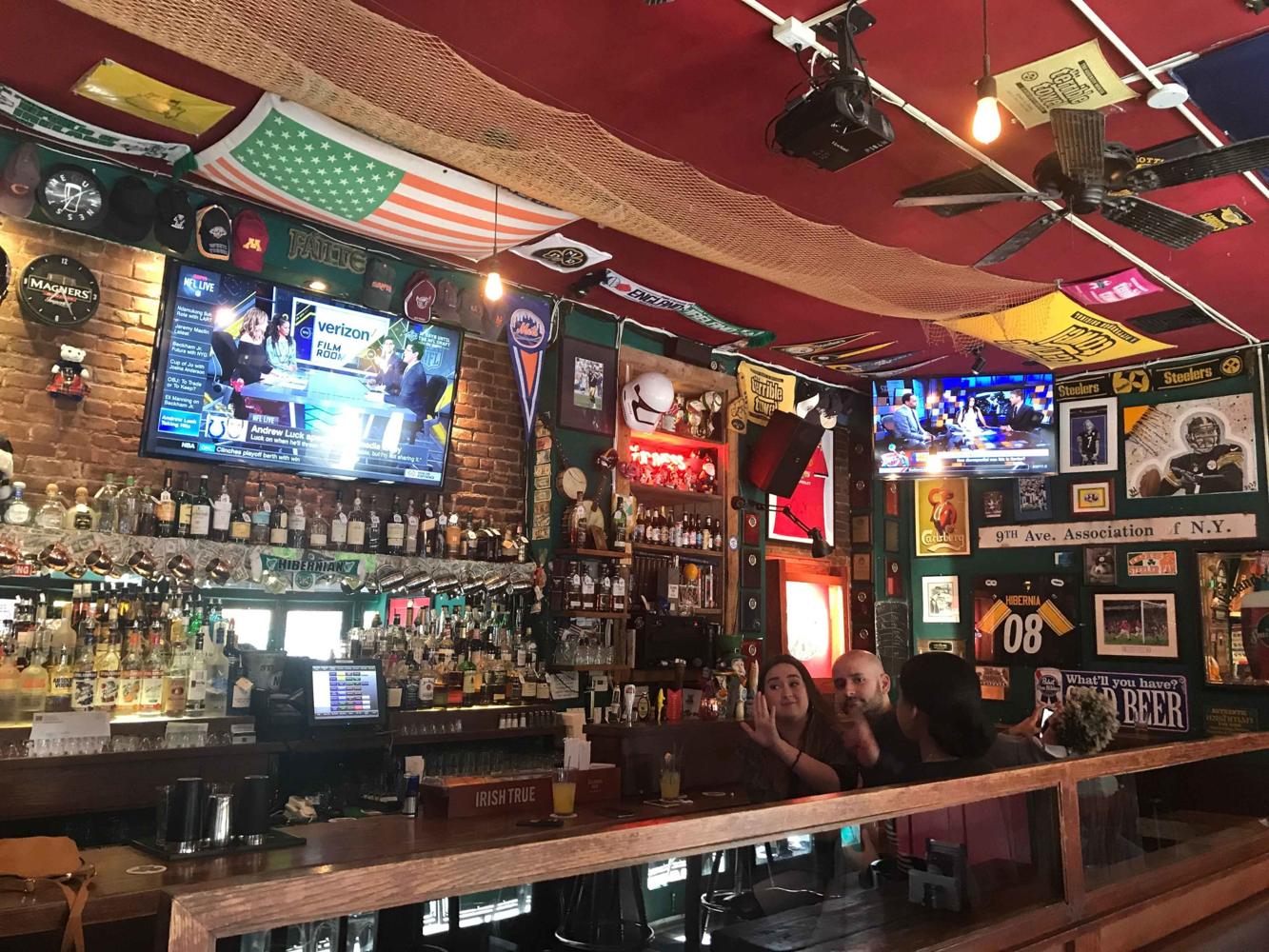
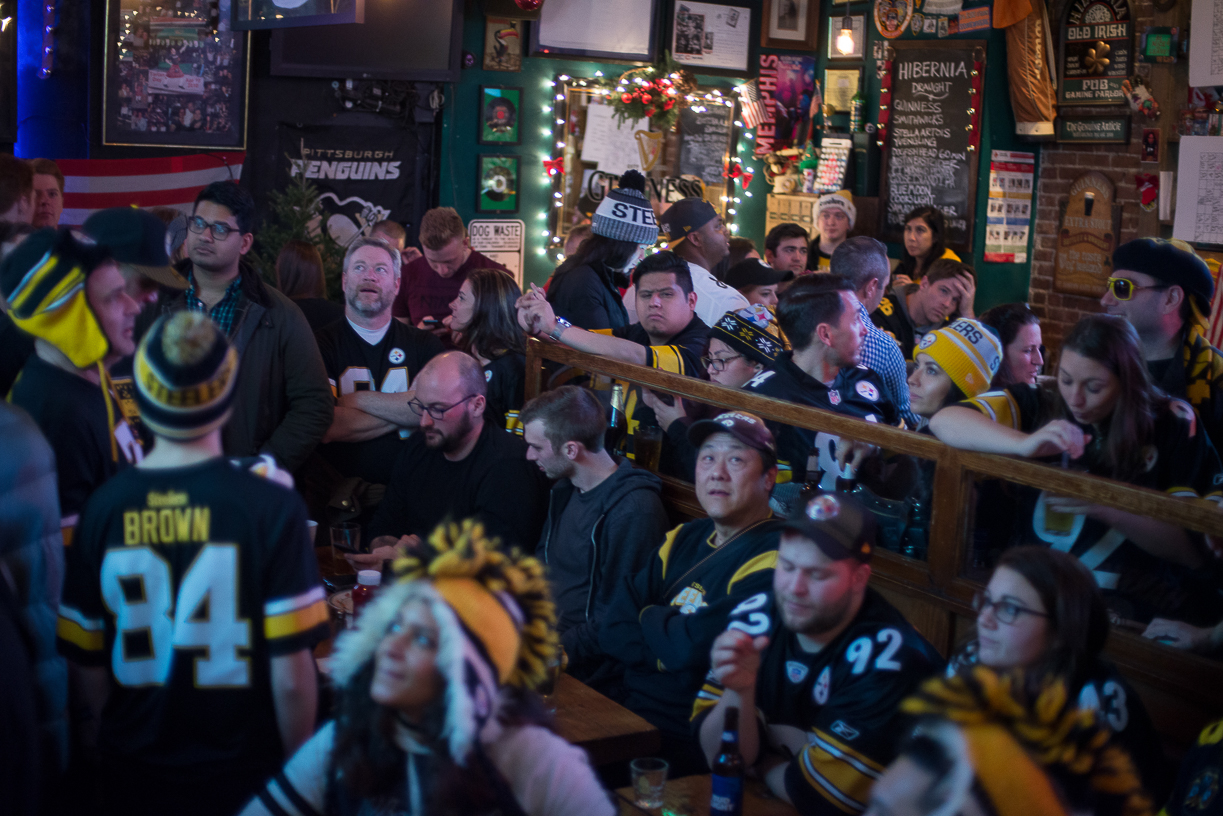
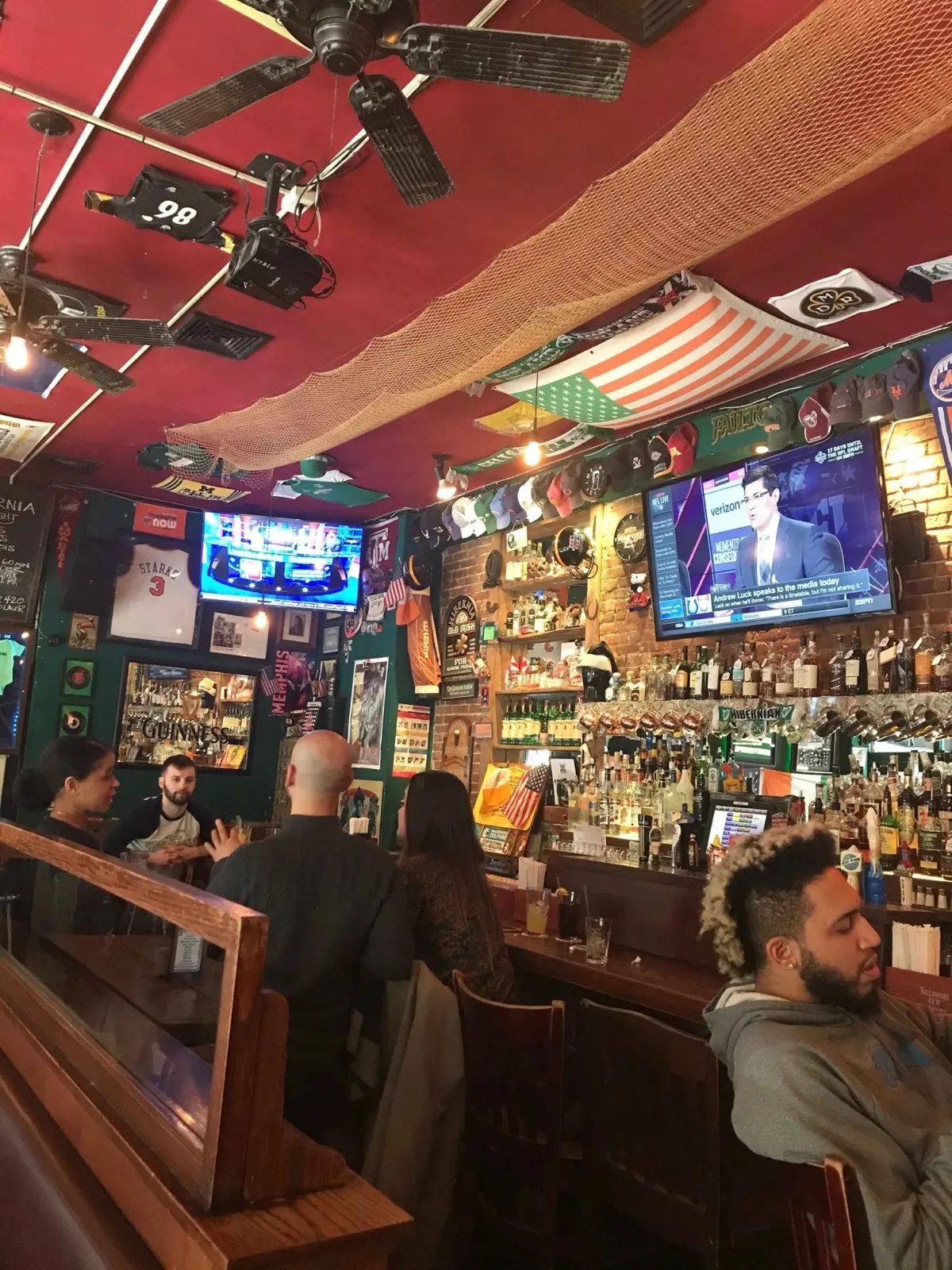
New York can make even seasoned travelers feel underprepared after dark. A few blocks can separate a polished hotel cocktail lounge from a cash-only dive, a packed sports bar from a candlelit wine room, or a neighborhood pub where the bartender knows half the room by name. For a first-time visitor, that variety is exciting, but it also creates a practical question: where do you start without wasting a night, overpaying for a forgettable drink, or ending up in a place that does not match your mood?
The short answer is that exploring Bar NYC is less about chasing a single famous venue and more about learning how the city’s drinking culture actually works. New York rewards a little planning, a little flexibility, and a willingness to let a night unfold one neighborhood at a time. If you approach it that way, the experience becomes much more enjoyable. You stop trying to “do New York nightlife” in one giant sweep and start noticing the texture that makes it memorable, from the bartender who can steer you toward the right whiskey to the corner pub that looks ordinary until the second round, when the room suddenly feels alive.
What first-timers usually get wrong
Most newcomers make one of two mistakes. They either overplan, building a rigid schedule around three or four bars scattered across Manhattan and Brooklyn, or they do the opposite and wander blindly, assuming New York’s density means every block will offer something great. Neither approach works especially well.
The first mistake creates a lot of transit and not much pleasure. New York traffic is real, subway transfers take time, and crosstown movement can eat an hour before you realize it. A plan that looks elegant Bar NYC on a map at 4 p.m. Often feels exhausting by 10 p.m. The second mistake leads people into tourist-heavy zones where the drinks are expensive, the music is too loud for conversation, and the experience could happen in almost any major city.
A better strategy is to pick one neighborhood, maybe two if they are close, and let the night develop there. That keeps your energy intact and gives you a better chance of seeing the different faces of the area. In New York, bars are often woven into the neighborhood’s identity. A West Village bar behaves differently from a Lower East Side bar. A local spot in Park Slope feels different from a rooftop in Midtown, even if both pour the same gin.
Start with the kind of night you actually want
This sounds obvious, but many first-timers skip it. They ask for the “best bar” when what they really need is the best bar for a certain kind of evening. New York has too many strong options for broad rankings to help much. You will do better if you decide what matters most that night.
If you want conversation, avoid places built around spectacle. If you want people-watching and city views, accept that you may sacrifice some intimacy and value. If you want old-school New York character, be ready for tighter quarters, louder rooms, and a little roughness around the edges. None of these are flaws. They are trade-offs.
A good first night in Bar NYC often starts with one honest question: do you want to settle in somewhere that feels easy, or do you want a night with momentum and movement? The answer shapes everything from what time you leave your hotel to what shoes you wear.
Understanding the city by neighborhood
The fastest way to feel competent in New York nightlife is to stop thinking of the city as one giant bar scene. It is a collection of smaller ecosystems. Once you understand that, choices get simpler.
The West Village tends to draw people looking for charm, date-night energy, and bars with personality. Streets are pleasant to walk, and there is enough density to improvise without feeling chaotic. It is a forgiving area for a first-timer because even if your first pick is crowded, a second or third option is usually a short walk away.
The Lower East Side often runs louder, younger, and more kinetic. There are excellent cocktail bars there, but there is also a stronger current of bar-hopping. On a Friday or Saturday, the pace can feel fast. If that excites you, great. If you are hoping for a calm first exposure to Bar NYC, you may prefer an earlier start or a different area.
The East Village has range. You can find old pubs, sake spots, cocktail dens, and no-frills beer bars within a few blocks. It rewards curiosity and walking. It can also tip from relaxed to packed very quickly, especially later in the evening.
SoHo and Nolita offer plenty of stylish choices, but first-timers should go in with open eyes. These neighborhoods can be fun, polished, and convenient, but they also attract crowds chasing a certain scene. Sometimes that scene is exactly what you want. Sometimes it comes with long waits and drinks that cost more than they need to.
Brooklyn adds another layer. Williamsburg has become an easy recommendation because it offers variety and strong food options, but it can feel destination-driven and expensive in parts. Park Slope, Cobble Hill, and Carroll Gardens often provide a softer landing, with bars that feel more rooted in local life. If your goal is to spend an evening drinking well without shouting all night, those neighborhoods can be a smart choice.
Timing matters more than most people expect
In New York, the same bar can feel like two different establishments depending on when you arrive. Show up at 6:15 p.m. And you may get a corner seat, a conversation with the bartender, and enough calm to appreciate the menu. Show up at 8:45 p.m. On a Saturday and that same room may be shoulder to shoulder.
For first-timers, earlier is often better. This does not mean you need to start drinking at 4 in the afternoon. It means beginning your evening with enough margin that you can adjust. Arriving at your first bar between 6:30 and 7:30 p.m. Gives you options. You can stay if the mood is right, eat nearby if you need to, or move on before lines and cover charges become a factor.
Late-night New York has its own appeal, but it is not always the best setting for a thoughtful first experience. After 10 p.m., many bars become less about discovery and more about crowd management. There is nothing wrong with that, but it changes Bar NYC Hibernia Bar the kind of night you are having.
How to read a bar before you commit
One of the most useful skills in any city is learning how to assess a place within thirty seconds. In New York, this can save you money and time.
Look through the front windows if there are any. Are people leaning in to talk, or are they glancing at their phones because the room has no warmth? Is the lighting intentional or just dim? Does the staff appear steady under pressure or slightly frazzled? A busy bar is not a problem. A disorganized bar often is.
Menus also tell the truth. A focused menu usually signals confidence. Ten to fifteen cocktails, a sensible beer selection, and a few wines by the glass are often enough. When a place tries to be every kind of bar at once, the experience can flatten out. The same goes for food. A concise bar menu is often a better sign than a giant laminated binder.
Music matters too. If you have to raise your voice before your first sip, ask yourself whether that is the tone you wanted. First-timers often stay somewhere because they spent effort getting in, not because they are enjoying it. New York is too full of alternatives for that kind of loyalty.
What drinks make sense in Bar NYC
You do not need to order something exotic to justify being in a good New York bar. In fact, ordering well often means ordering simply. A classic cocktail, a beer-and-shot combo in the right setting, a neat pour of whiskey, or a solid glass of wine can tell you a lot about a place. If a bar cannot make a balanced martini or serve a proper pint efficiently, that matters more than how inventive its seasonal menu sounds.
That said, New York does have a deep cocktail culture, and some bars are worth visiting specifically for technique. When you are in one of those rooms, ask the bartender a direct question rather than scanning the menu endlessly. Tell them what you usually like and whether you want spirit-forward, citrusy, bitter, refreshing, or low-proof. Skilled staff appreciate clear guidance. You will often get a better drink that way than by choosing the menu item with the cleverest name.
Prices vary widely, but first-timers should expect cocktails in many Manhattan neighborhoods to land somewhere in the high teens to mid twenties before tip. Beer can be far more reasonable, though not always. Wine pricing depends heavily on the concept. None of this should shock you if you set expectations early. Sticker shock ruins more bar nights than bad music.
The question of rooftops
Nearly every first-time visitor considers a rooftop bar, and understandably so. The skyline is seductive. A well-timed rooftop drink at sunset can be one of the pleasures of the city. But rooftops come with trade-offs that matter.
The upside is obvious: views, atmosphere, and a sense of occasion. The downside is that many rooftops are better at delivering a backdrop than a truly satisfying bar experience. Service can feel transactional, reservations can be necessary, weather changes the whole mood, and the drink itself may be the least interesting part of the stop.
My usual advice is to treat a rooftop as one part of the night, not the whole thing. Go for the view, have one drink, maybe two, then move on to a street-level bar where the hospitality is the point. That sequence gives you both versions of New York, the cinematic one and the human one.
Food is not an afterthought
A first night out in New York goes better if you plan your food with the same care as your drinks. This does not require a formal dinner reservation, though sometimes that makes sense. It means understanding that bar hopping on an empty stomach in a city with expensive cocktails and long walking stretches is a poor recipe.
One reliable move is to choose a neighborhood with strong casual food options and build the evening around them. Start with a drink, then eat, then continue. Or eat lightly first and finish with a late snack, especially if you know you want to stay out longer. New York makes this easy. Good pizza, dumplings, tacos, burgers, and bistro fare are often nearby, even in bar-heavy districts.
There is also a social difference between bars that feed people well and bars that treat food as a formality. The former often keep guests longer and more comfortably. The latter can push people toward harder drinking because there is nothing else to anchor the experience.
The practical etiquette that smooths out the night
New York bartenders are generally efficient, direct, and quick to warm up if you meet them halfway. You do not need to perform local sophistication. You do need to be clear, attentive, and respectful of pace.
Here are a few habits that help:
- Know your first order before you reach the bar.
- Keep your card or payment method accessible.
- Tip consistently and fairly, especially on cocktails.
- If a place is packed, do not camp at the service area.
- Ask concise questions, then trust the answer.
These are small things, but they change how the night feels. New York bars run on rhythm. Guests who understand the rhythm tend to get better service, more honest recommendations, and a smoother experience overall.
Reservations, walk-ins, and waiting
A lot of first-timers either reserve everything or reserve nothing. Both approaches can backfire. The city’s bar scene is too varied for one rule to fit every night.
If there is a specific, high-demand cocktail bar you genuinely care about, a reservation is worth pursuing. It removes friction and gives structure to the evening. But reserving multiple places in different neighborhoods can turn a night out into a sequence of obligations. That starts to feel like work.
Walk-ins are often the better path for bars that are neighborhood-driven rather than destination-famous. The key is timing. Arrive earlier than peak hours, and your odds improve dramatically. A twenty-minute wait can be fine if the area gives you somewhere pleasant to stand or a nearby backup. A ninety-minute wait for a room you picked off social media rarely is.
One thing many first-timers underestimate is how useful a backup plan can be. Not a spreadsheet, just one or two nearby alternatives. That bit of preparation keeps disappointment from dictating the mood.
Safety and street sense without paranoia
New York is a city where millions of nights out happen without incident, but first-timers should still pay attention. The basics matter. Keep your phone charged. Watch your drink. Know how you are getting home before it is 1 a.m. If you are relying on the subway, check service changes, especially late at night and on weekends. If you are taking a car, request it before you are standing isolated outside a crowded venue.
Walking between bars is often part of the pleasure, but stay aware of your surroundings and your level of intoxication. A route that feels charming at 8 p.m. Can feel disorienting at 1 a.m. In unfamiliar weather. Cold, rain, and summer humidity all affect how much ground you actually want to cover.
If you are meeting friends, agree on simple logistics in advance. Share the bar name, not just “the place on the corner.” There are many corners in New York, and after two drinks every block starts to resemble the one before it.
A few smart first-night combinations
If you are overwhelmed by options, it helps to picture complete evenings rather than isolated bars. These are not rigid itineraries, just patterns that work.
A West Village night might begin with dinner, move into a comfortable cocktail bar, and end in a casual pub where the stakes are lower and the room is louder. That sequence gives you polish first, then ease.
A Lower East Side evening often works best if you embrace movement. Start with one intentional stop, preferably earlier, then let the rest become more fluid. This area is good for people who enjoy momentum and can handle a little noise.
A Brooklyn night can be gentler. Pick a neighborhood with strong local density, have a drink somewhere thoughtful, eat well, and then drift to a second bar that feels lived-in rather than theatrical. Some of the best nights in New York are like that, less spectacular on paper, more satisfying in memory.
What makes a bar worth returning to
For a first-timer, it is tempting to evaluate New York bars by obvious markers: the line outside, the skyline, the celebrity rumor, the price of the martini, the design of the bathroom mirror. Those things are easy to notice and often easy to photograph. They are not always what makes a place good.
A bar worth returning to usually gets the fundamentals right. The welcome is genuine. The room has a point of view. The drink arrives balanced. The music supports the mood rather than fighting it. You can imagine coming back on a different night for a different reason. Maybe with friends, maybe alone, maybe before dinner instead of after. That flexibility is often the real sign of quality.
The best Bar NYC experiences also create a small sense of belonging, even for visitors. Not because everyone suddenly knows your name, but because the place lets you settle in. It gives you enough room to become part of the evening instead of merely consuming it.
Spend the night like a local, not a scavenger
There is a common first-time impulse to collect neighborhoods and famous venues as proof that the night counted. Resist it. New York is not a checklist city, especially after dark. You do not need to touch five bars to have had a real experience. Often one excellent stop and one relaxed follow-up are more than enough.
If you remember one principle, make it this: choose depth over coverage. Pick a neighborhood. Start a little earlier. Eat properly. Notice the room. Order something you actually want to drink. Leave when the energy shifts. Those choices produce better nights than chasing perfection.
That is the real first-timer’s guide to exploring Bar NYC. Not a hunt for a single best bar, but an understanding of how to move through the city with confidence, curiosity, and enough restraint to enjoy what is in front of you. New York gives plenty back to people who know how to pay attention.
Hibernia Bar
401 W 50th St
New York, NY 10019
(212) 969-9703
FAQ About Bar NYC
What is there to do in Hell's Kitchen, NYC?
Explore the restaurants and bars along Ninth Avenue, catch a Broadway show nearby, or visit the Intrepid Museum on the Hudson River. Hibernia Bar is at West 50th Street and Ninth Avenue, a convenient stop before or after a show.
What are some bars in New York City that serve good food?
Hibernia Bar in Hell's Kitchen serves wings, burgers, fish and chips, and shepherd's pie. Its kitchen lists a 2 a.m. closing time, which makes it an option for dinner after a show or a game.
How far is Hell's Kitchen from Times Square?
Hell's Kitchen is just west of Times Square. From Broadway and West 45th Street, Hibernia Bar is roughly 0.6 miles away, or about a 12-minute walk depending on crowds.